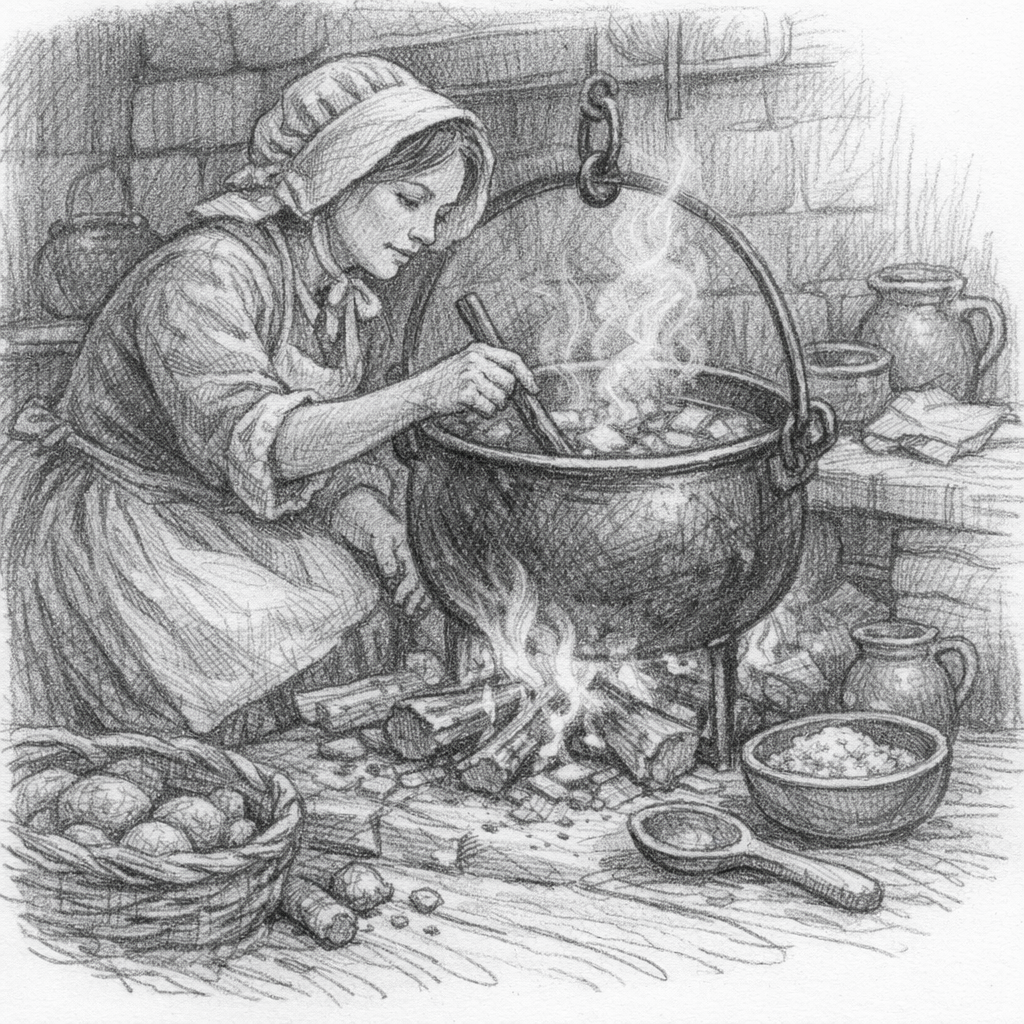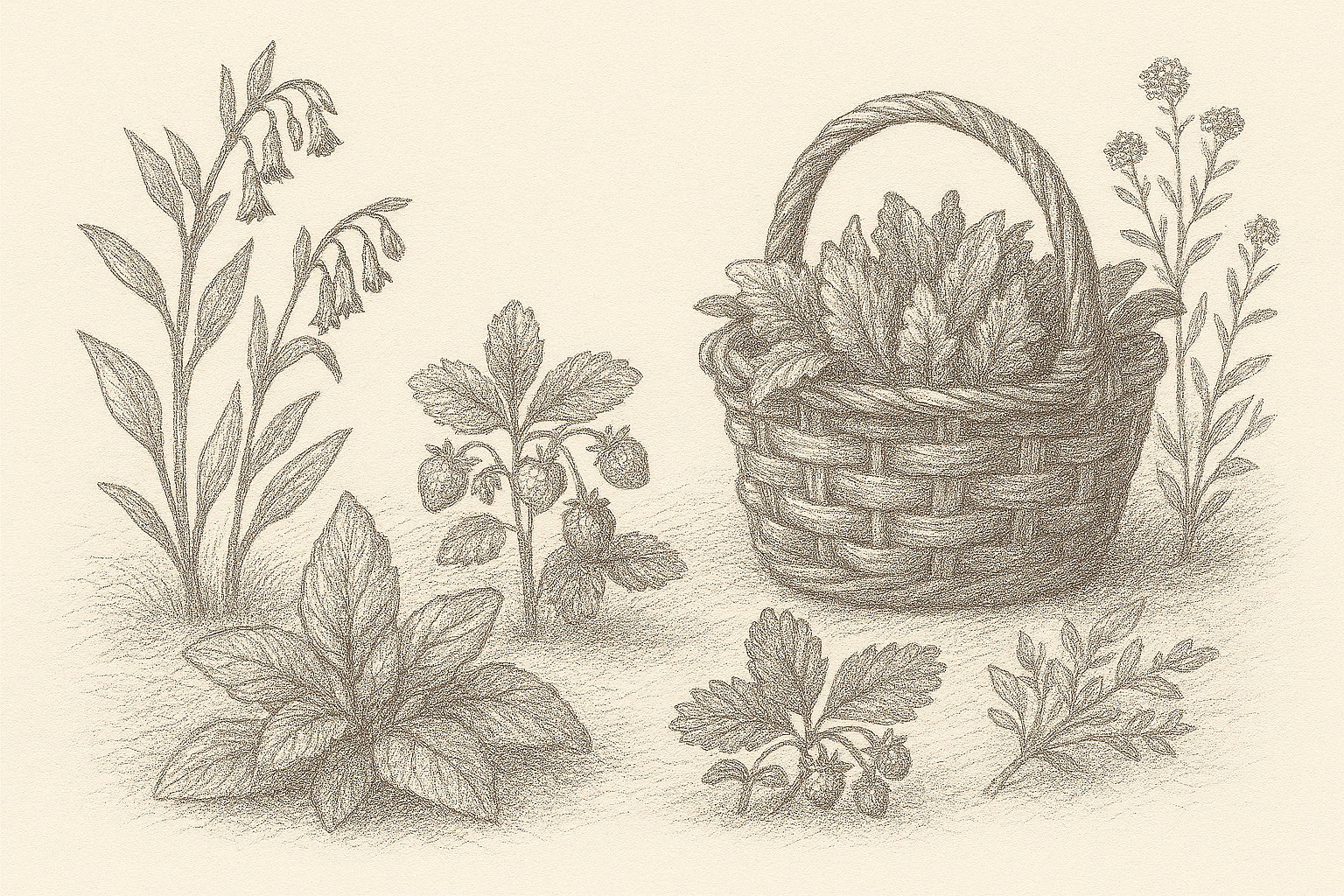
For the earliest American pioneers, foraging wasn’t a hobby, a trend, or an optional skill — it was an essential part of survival. While hunting and farming provided much of the food supply, wild edible plants filled critical nutritional gaps, especially during the first years of settlement when crops often failed, hunting was unreliable, and trade routes were scarce or nonexistent. Today, modern homesteaders increasingly look back to these old-world skills as a blueprint for self‑sufficiency, resilience, and deeper connection to the land.
In many ways, today’s self‑reliant lifestyle seekers mirror the pioneers who came before them. But important differences also exist — especially regarding safety, plant identification knowledge, and access to reliable information that settlers simply did not have.
Below, we explore the major wild plants early settlers depended on, how these same foods serve today’s homesteaders, and the crucial warnings every forager must keep in mind.
Why Foraging Was Essential for Early Settlers
When settlers first pushed westward, they faced unfamiliar terrain, unpredictable climate, and long stretches before their first successful harvest. Wild plants became vital because:
They were immediately available.
Settlers didn’t need to wait a full season to grow crops. Greens, berries, roots, and nuts offered calories within days of arrival.
They provided vitamins not available in preserved foods.
Salted meat and hardtack kept people alive, but fresh plants prevented scurvy, boosted digestion, and improved overall health.
They acted as reliable backup food sources.
Crop failures, harsh winters, droughts, and pests could devastate food stores. Foraging gave families a nutritional safety net.
Native peoples taught settlers how to safely identify them.
Most early foraging knowledge was shared generously by Indigenous tribes who had mastered these landscapes for thousands of years.
Today’s homesteaders often approach foraging from a place of preparedness and sustainability. But the pioneers approached it from necessity.
Edible Plants Pioneers Relied On — and Their Modern Uses
Below are some of the most valued wild plants early settlers consumed, many of which remain staples among modern foragers.
1. Wild Strawberries (Fragaria virginiana)
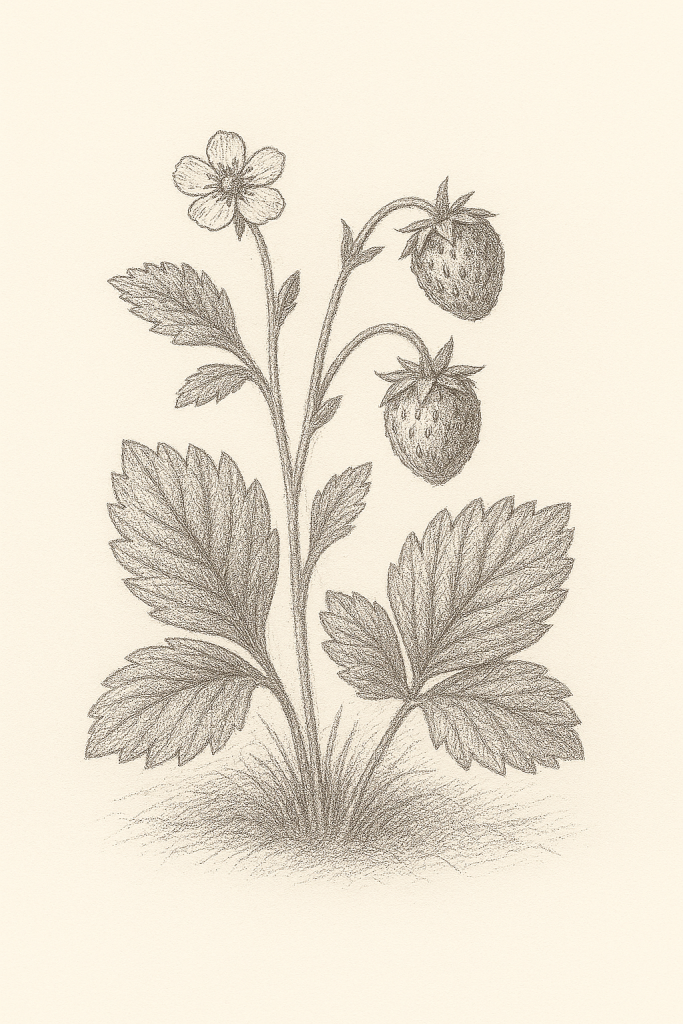
Wild strawberries were treasured by pioneers not only for their sweet flavor but for their early‑summer availability. Compared to cultivated strawberries, they are far smaller but far more intense in taste.
Pioneer Uses:
- Eaten fresh as one of the first fruits after winter
- Added to pies or dried for winter storage
- Used medicinally to ease digestive issues
Modern Homesteader Uses:
Today’s foragers value wild strawberries for jams, syrups, wine, and dehydrated snacks. Their ground-covering habit also makes them popular for edible landscaping.
2. Dandelion (Taraxacum officinale)
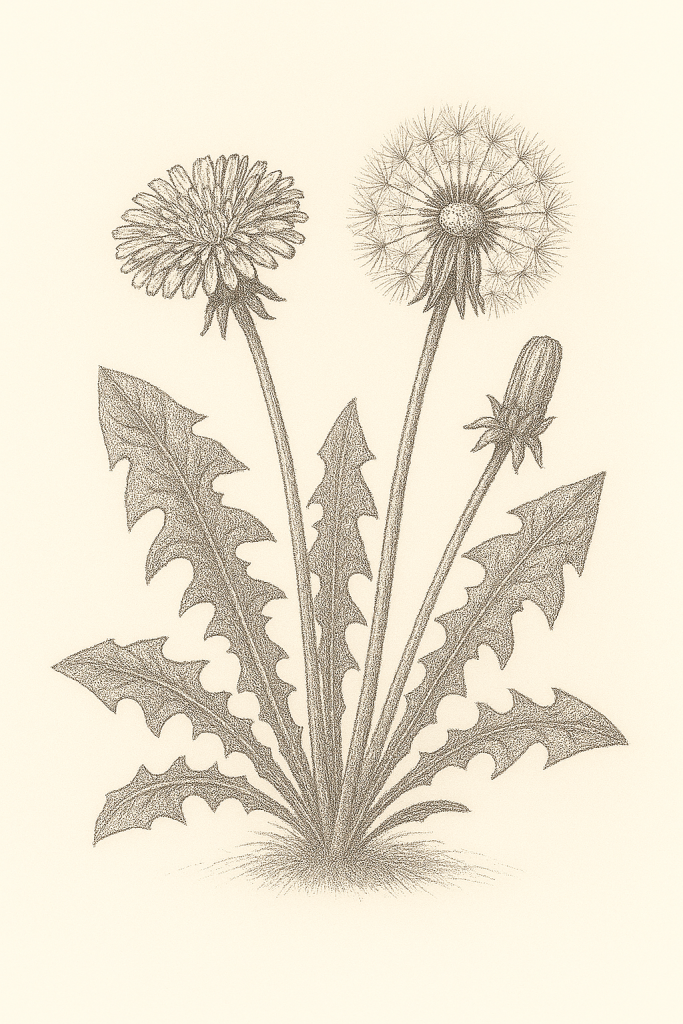
Considered a prolific weed in modern lawns, the dandelion was one of the most important bitter greens for settlers.
Pioneer Uses:
- Young leaves eaten as salad greens
- Roots roasted as a coffee substitute
- Flowers turned into wine
- Leaves used as a spring detox tonic
Modern Homesteader Uses:
Dandelions remain one of the most widely foraged plants, especially for herbal teas, bitters, tinctures, and nutrient-rich salads. Their ability to grow anywhere adds to their reliability.
3. Plantain (Plantago major)
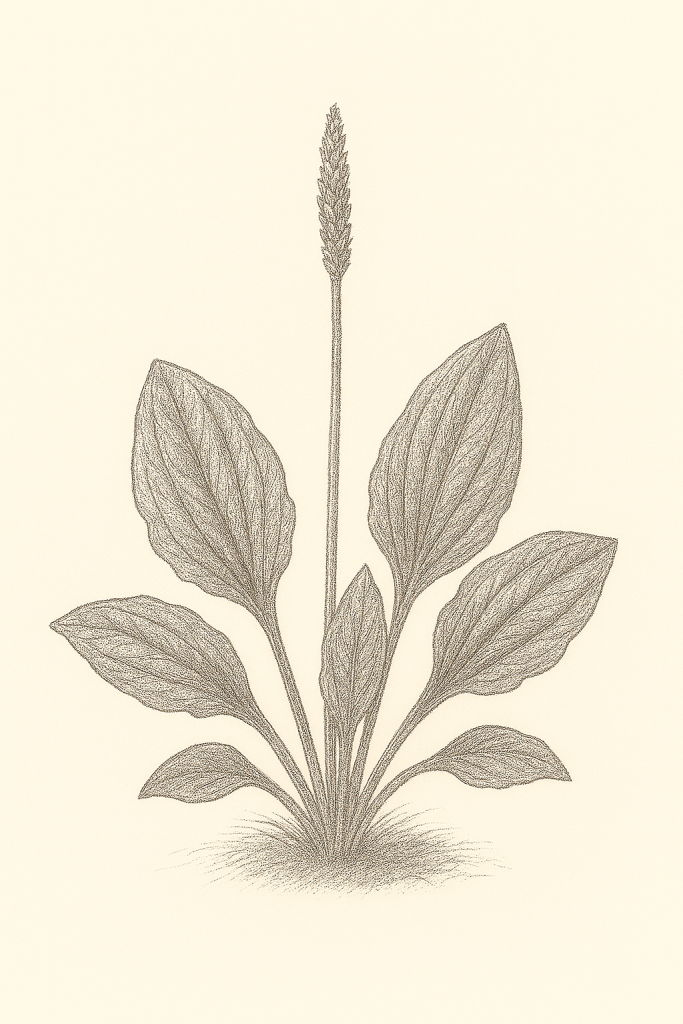
Known today as a medicinal powerhouse for bug bites and stings, plantain was equally valuable to settlers.
Pioneer Uses:
- Young leaves eaten like spinach
- Poultices used to treat cuts, scrapes, and inflammation
Modern Homesteader Uses:
Still used for salves and skin care. Leaves and seeds are eaten as nutrient-dense foraged greens.
4. Lamb’s Quarters (Chenopodium album)
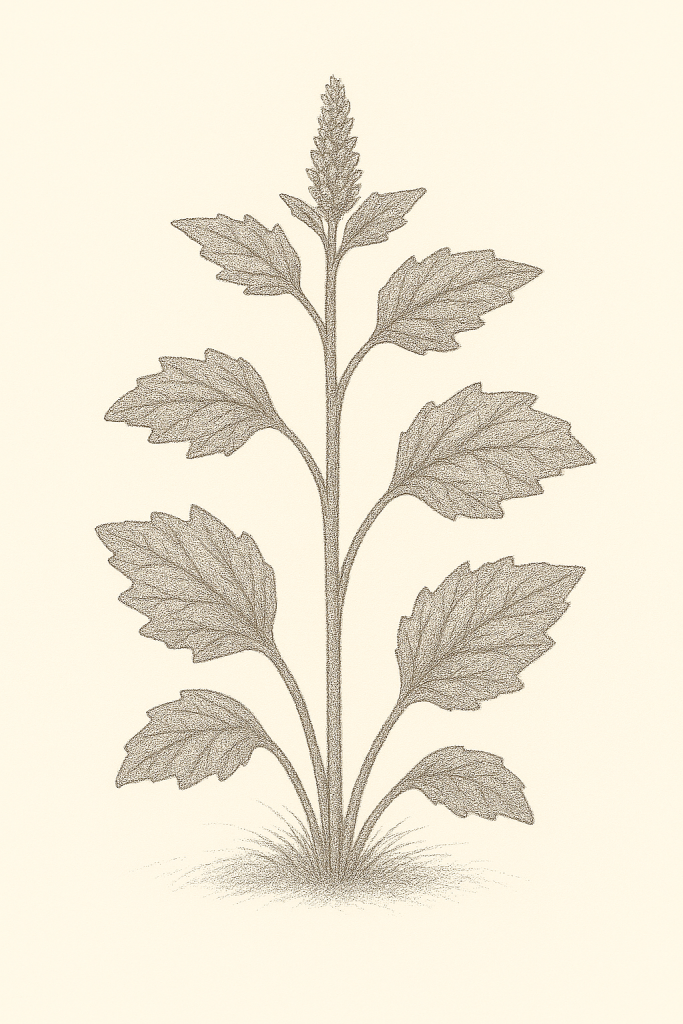
Often called “wild spinach,” lamb’s quarters was one of the most important greens of early America.
Pioneer Uses:
- Cooked similarly to spinach
- Seeds ground into flour
- Young shoots eaten raw
Modern Homesteader Uses:
Lamb’s quarters is now recognized as a superfood — high in vitamins A, C, and K, calcium, and protein. It grows abundantly in disturbed soil, making it a reliable crop for off‑grid gardeners.
5. Wild Mint (Mentha spp.)
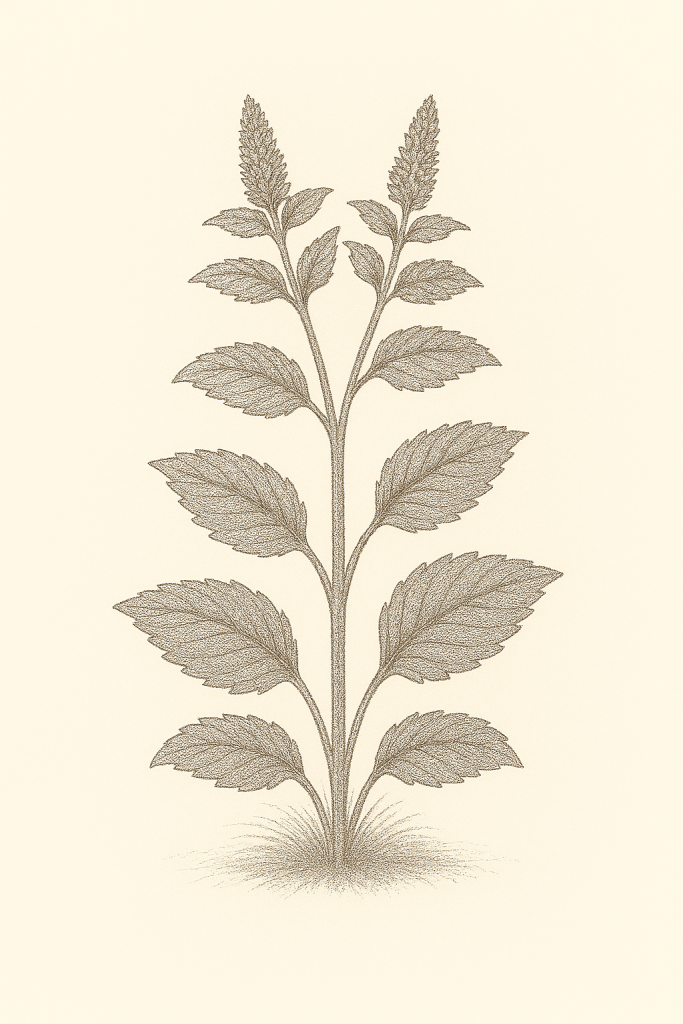
Wild mint grew along streams and wetlands, offering refreshing flavor and medicinal value.
Pioneer Uses:
- Brewed as a digestive tea
- Used to flavor meats
- Applied as a mild antiseptic
Modern Homesteader Uses:
Still widely used for teas, herbal remedies, and natural pest control.
6. Nettles (Urtica dioica)
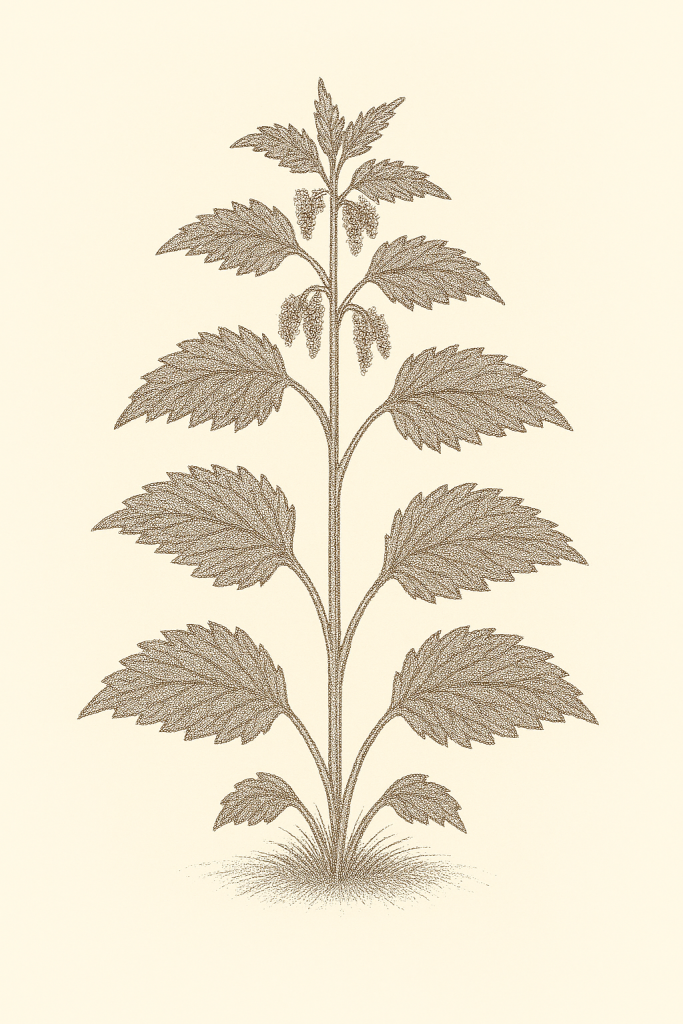
Though painful to touch when fresh, nettles were one of the best spring greens available.
Pioneer Uses:
- Boiled as a nutrient‑dense vegetable
- Used as a spring tonic
- Fibers turned into cordage
Modern Homesteader Uses:
Nettles remain popular for soups, teas, pesto, and medicinal infusions. Their exceptional nutritional profile makes them a favorite among herbalists.
How Pioneer Foraging Differs From Modern Homesteading
While there are many similarities in mindset, there are also major differences:
1. Knowledge Sources
Pioneers often learned foraging directly from Indigenous peoples through hands‑on teaching, observation, and shared experience, which meant their knowledge was rooted in local ecology, seasonal patterns, and deep cultural context. This kind of learning emphasized relationship with the land, an understanding of how plants fit into the broader ecosystem, and respect for tradition. In contrast, modern homesteaders typically learn from books, online resources, and classes—valuable tools, but ones that can lack the nuance and regional specificity that comes from lived experience. While written guides offer broad identification tips and safety information, they can’t fully replicate the intuitive knowledge gained from generations of direct interaction with the landscape, making modern foragers more dependent on cross‑referencing and caution to ensure accuracy and safety.
2. Risk Levels
For the pioneers, the risks of foraging were far greater because a single mistake could be deadly. With little or no access to medical care on the frontier, accidentally eating a toxic plant meant there were few treatment options beyond home remedies, and many families were days or weeks away from a doctor. In contrast, modern homesteaders benefit from emergency medical services, poison control centers, and a wealth of reliable identification tools. Today’s foragers can cross‑check plants using field guides, online databases, community experts, and even plant identification apps, greatly reducing the likelihood of a dangerous error. While caution is still essential, the safety net available to modern foragers makes the practice far less perilous than it was for early settlers.
3. Motivations
Pioneers foraged because their survival depended on it—wild plants often filled the gaps between failed crops, harsh winters, and scarce supplies, making foraging a necessary part of daily life rather than a choice. Modern homesteaders, on the other hand, tend to forage for very different reasons. Many are motivated by preparedness, wanting to build self‑reliance and food security in uncertain times. Others focus on sustainability, using wild foods to reduce their environmental footprint and reconnect with local ecosystems. And for many, foraging is simply enjoyable: a meaningful hobby that offers fresh, seasonal foods and a deeper connection to nature. While pioneers foraged out of sheer necessity, today’s homesteaders often do so out of intention, curiosity, and a desire for a more grounded lifestyle.
4. Plant Availability
Some of the wild plants pioneers once relied on are now far less common due to habitat loss, development, and modern land‑use changes. Wetlands have been drained, forests cleared, and native meadows converted to agriculture or urban areas, making certain traditional foraged plants increasingly rare in the wild. At the same time, many edible invasive species—like lamb’s quarters, which thrives in disturbed soil—are more abundant than ever. These resilient, fast‑spreading plants often outcompete native species, creating a very different foraging landscape than the one early settlers encountered. As a result, modern homesteaders may find it far easier to gather certain non‑native edibles while having to work harder, or travel farther, to locate some of the native plants that were once staple foods for pioneer families.
Essential Safety Warnings for Foraging
Even though the pioneers consumed many wild foods, foraging always carries risk, and modern homesteaders must be diligent.
Foraging comes with real risks, so it’s essential to approach it with caution and respect for the plants you gather. The most important rule is simple: never eat a plant unless you are 100% certain of its identity. Many edible species have toxic lookalikes that can cause serious illness or worse, and relying on guesswork is never safe. It’s also important to avoid outdated survival myths like the universal edibility test, which can be extremely dangerous and does not reliably distinguish safe plants from poisonous ones. Some plants that are edible at certain stages—or in certain parts—can be highly toxic in others, so understanding the full life cycle and anatomy of each species is crucial.
Clean harvesting conditions are equally important. Even safe plants can become harmful if they grow in contaminated soil or absorb pollutants from nearby roads, industrial sites, sprayed fields, or chemically treated lawns. Always forage in areas that are free from pesticides, herbicides, and runoff. And if you’re ever unsure about a plant, consult multiple resources or reach out to an experienced forager, botanist, or local extension office before consuming it. Modern tools—such as field guides, regional plant groups, and plant ID experts—make it easier than ever to stay safe, but careful verification and a healthy respect for wild foods will always be the best protection.
The pioneers made mistakes, but today’s foragers have no reason to repeat them.
The Revival of Pioneer Skills in Modern Homesteading
Modern homesteaders are increasingly reconnecting with the ways pioneers once lived, embracing practices rooted in self‑sufficiency, resilience, and a deeper relationship with the land. Like the settlers who relied on their own skills for survival, today’s homesteaders value being able to produce, preserve, and gather their own food without depending entirely on modern systems. This revival also encourages resourcefulness—using what’s available, reducing waste, and making the most of seasonal abundance rather than relying on year‑round grocery availability. Just as pioneers learned through shared experience and communal wisdom, modern homesteaders are rebuilding that sense of community through local groups, workshops, online forums, and mentorship. In many ways, the movement represents a return to older rhythms of living, where knowledge is shared freely, seasons guide daily life, and self-reliance becomes both a practical skill and a meaningful philosophy.
Yet modern foragers also have advantages pioneers never had — access to botanical science, safety information, preservation tools, and global communication.
Conclusion: Learning From the Land — Past and Present
Pioneer foraging represents one of the most practical and humble survival skills in American history. Early settlers relied on wild plants not just for flavor or medicinal value, but for life itself. Their knowledge — much of which was generously taught by Native American peoples — remains a guiding blueprint for today’s homesteaders who seek self‑reliance and a deeper understanding of the natural world.
But with this heritage comes responsibility. Modern foragers must approach wild foods with respect, caution, and a commitment to safety. The best way to honor pioneer skills is to practice them wisely — combining old‑world wisdom with modern knowledge.