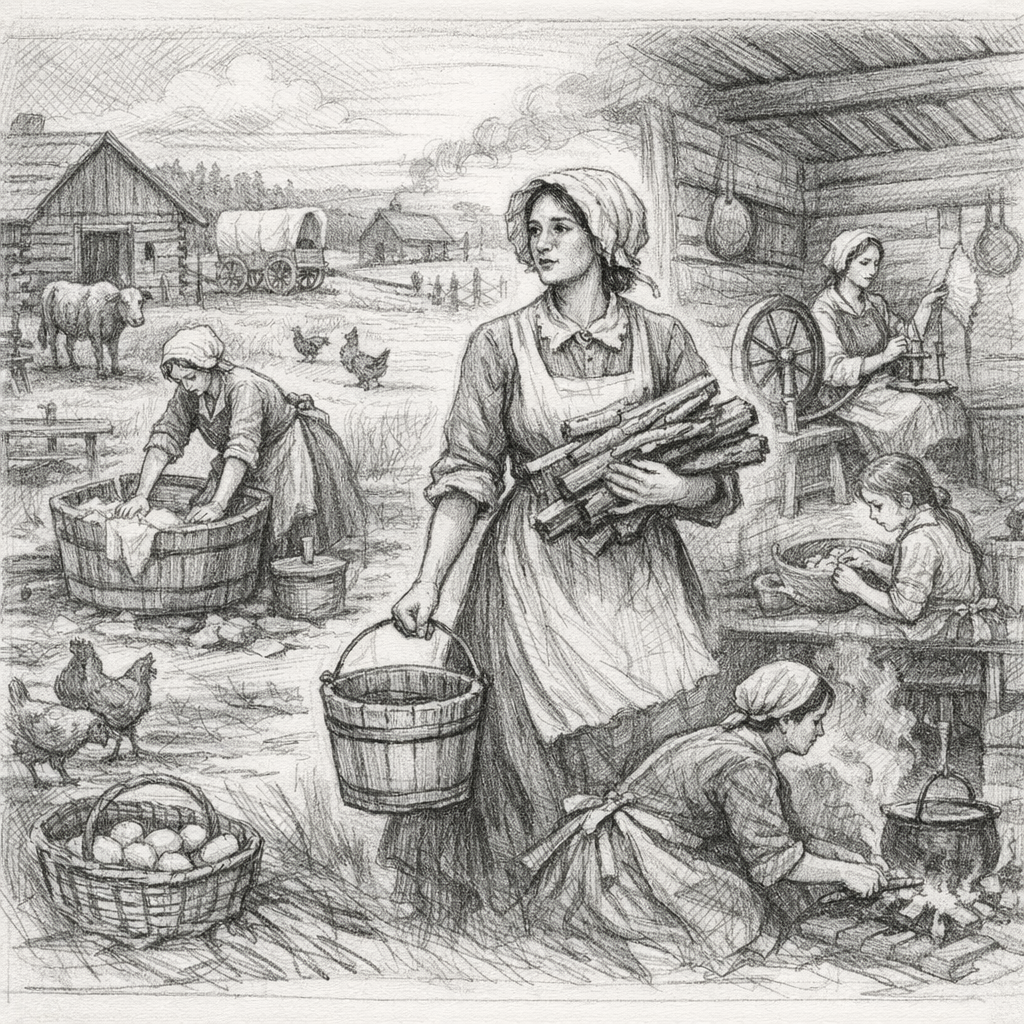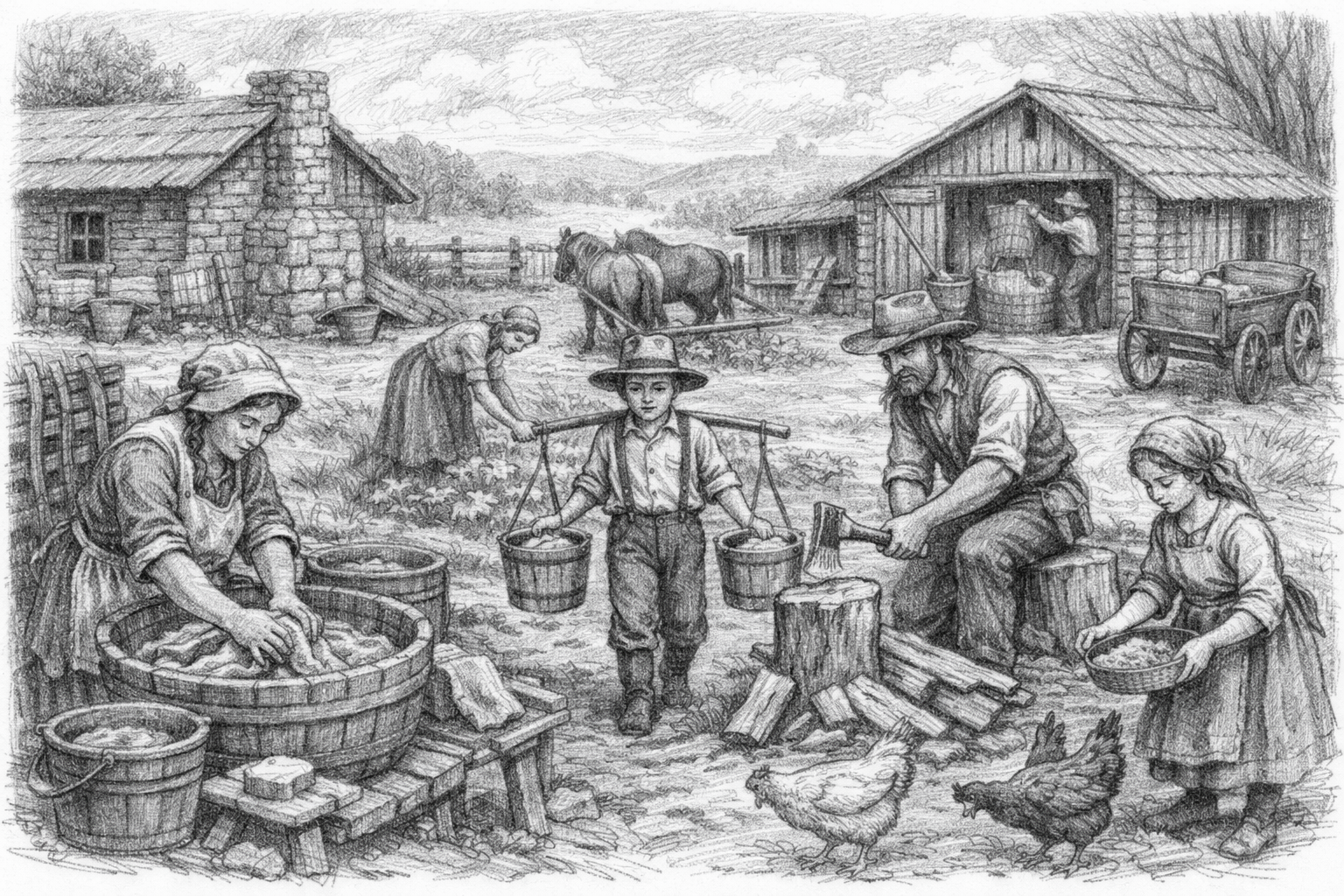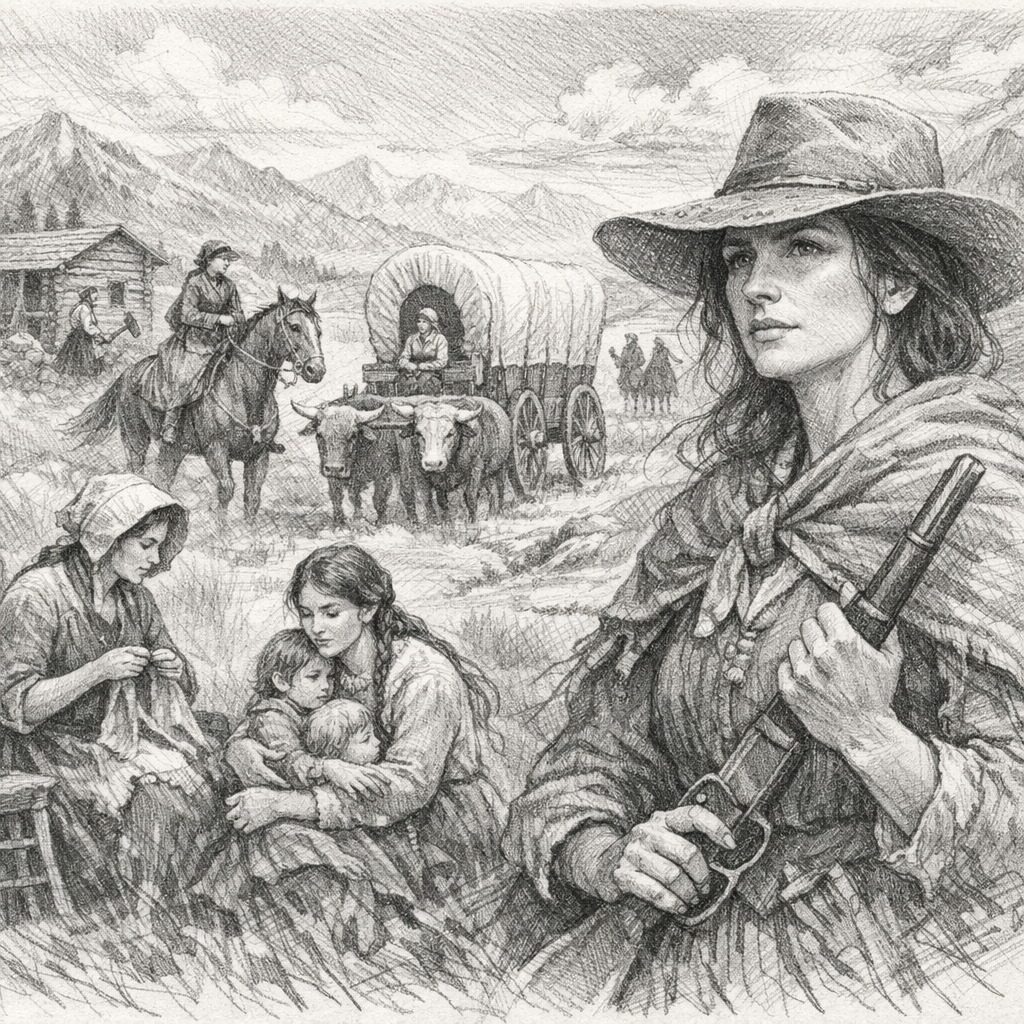
The American frontier is often remembered as a place shaped by rugged men with rifles, axes, and plows. But behind that familiar mythology lies a deeper, richer, and far more complex reality—one built just as much by women whose names never appeared in newspapers or history books. These women were not merely companions or helpers; they were leaders, innovators, healers, protectors, and survivors. Their stories were rarely recorded, yet their influence shaped the character of frontier communities in ways that still echo today. The untold stories of frontier women reveal a world where courage was not optional, where every day demanded ingenuity, and where the boundaries of what women could do were constantly being pushed, not by ideology, but by necessity.
Women Who Braved the Frontier Alone
While many imagine frontier women as wives traveling beside their husbands, thousands of women went west alone. Some were widows seeking a fresh start, others were unmarried women determined to claim land in their own names, and still others were fleeing difficult circumstances back east. These women built cabins, planted crops, and defended their homesteads with the same grit as any man. Their diaries—those that survived—tell of nights spent listening for wolves, of patching roofs during storms, of hauling water through snowdrifts, and of the profound silence that came with living miles from the nearest neighbor. They were not anomalies; they were part of a quiet movement of women who refused to accept the limited roles society offered them. Their courage helped redefine what independence could look like.
The Healers Who Saved Entire Communities
On the frontier, doctors were scarce, and trained nurses even scarcer. Into that void stepped women who became healers out of necessity. Some learned herbal medicine from their mothers or grandmothers, others from Indigenous neighbors who generously shared knowledge of local plants. These women treated everything from fevers and infections to broken bones and childbirth complications. They brewed teas, crafted poultices, and performed minor surgeries with tools that would make a modern physician shudder. Their work saved countless lives, yet their names rarely appear in historical records. They were the ones neighbors called in the dead of night, the ones who sat beside the sick for days, the ones who risked their own health to care for others. Their legacy lives on in the families and communities that survived because of their skill and compassion.
Women Who Defended Their Homes with Fierce Resolve
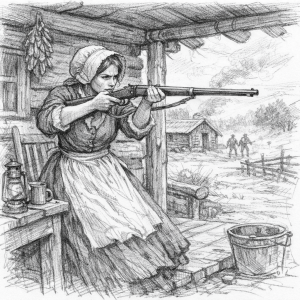
The frontier was not a peaceful place. Wild animals, thieves, and desperate travelers posed constant threats. When men were away hunting, trading, or working seasonal jobs, women were left to defend the homestead. Many learned to shoot out of necessity, not desire. Stories passed down through families tell of women who stood in doorways with rifles, warning intruders to keep their distance. Others fought off wolves threatening livestock or chased away bears drawn by the smell of food. Some defended their homes during violent conflicts, protecting children while trying to keep the peace. These stories rarely made it into official histories, but they lived on in family lore—quiet reminders that frontier women were not passive bystanders but active defenders of their homes and families.
The Entrepreneurs Who Built Local Economies
Frontier women were not just homemakers; many were entrepreneurs whose businesses kept communities alive. Some ran boarding houses that provided shelter for travelers and workers. Others operated small stores, bakeries, or laundries. Many women turned their domestic skills into income—selling butter, cheese, eggs, quilts, or clothing. In mining towns, women often earned more reliable income than the miners themselves, whose fortunes rose and fell with the earth. Some women became landowners, buying and selling property with shrewd business sense. Others ran schools, taught music lessons, or offered sewing services. Their economic contributions were essential to the growth of frontier towns, yet their names rarely appear in the ledgers of history. They were the quiet engines of local economies, keeping communities stable even when the frontier’s boom‑and‑bust cycles threatened to tear them apart.
The Cultural Bridges Between Worlds
One of the most overlooked groups of frontier women were those who served as cultural bridges between settlers and Indigenous peoples. Some were Indigenous women who married settlers, helping their husbands navigate unfamiliar landscapes and customs. Others were settler women who learned from Indigenous neighbors, adopting agricultural techniques, medicinal knowledge, and survival skills. These women often acted as translators, mediators, and peacekeepers. Their ability to move between cultures helped prevent conflicts, foster trade, and build relationships that shaped the development of entire regions. Their stories are rarely told because they do not fit neatly into the dominant narratives of conquest or settlement. Yet without them, many frontier communities would not have survived their earliest years.
Women Who Endured Hardships Few Could Imagine
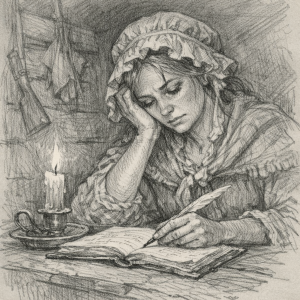
The hardships frontier women faced were immense. Childbirth was dangerous, and many women died young from complications or infections. Disease swept through communities with devastating speed, and medical help was often days away. Winters were brutal, summers unforgiving, and natural disasters could destroy months of labor in a single night. Women endured long periods of isolation, especially when husbands traveled for work. They raised children alone, managed farms alone, and grieved alone. Their letters and journals reveal a depth of emotional resilience that is both heartbreaking and inspiring. They wrote of loneliness, fear, exhaustion, and grief—but also of hope, determination, and pride in what they accomplished. Their hardships were not romantic; they were real, raw, and relentless. Yet these women endured, shaping the frontier with their quiet strength.
The Community Builders Who Wove Social Fabric from Scratch
Despite the isolation of frontier life, women found ways to build community. They organized quilting bees, church gatherings, harvest celebrations, and mutual‑aid circles. These events were more than social gatherings; they were lifelines. Women shared knowledge, traded goods, and supported one another through illness, childbirth, and loss. They created schools, established churches, and formed the first charitable organizations in many frontier towns. Their work built the social infrastructure that allowed communities to grow and thrive. Without their efforts, the frontier would have remained a scattered collection of isolated homesteads rather than the interconnected towns and cities that eventually emerged.
The Legacy of Frontier Women
The untold stories of frontier women reveal a world where courage was not a choice but a necessity. These women were healers, entrepreneurs, defenders, teachers, and cultural ambassadors. They shaped the frontier in ways that history has too often overlooked. Their contributions were foundational, their sacrifices immense, and their resilience extraordinary. They lived lives of quiet heroism, building homes and communities in a landscape that demanded everything they had to give.
To remember them is to honor the true spirit of the frontier—not the myth of rugged individualism, but the reality of shared struggle, cooperation, and the unbreakable strength of women whose names may be forgotten but whose impact endures.